28th November 2025

Human Connection in the Digital Age: Why Children Need More Than Algorithms

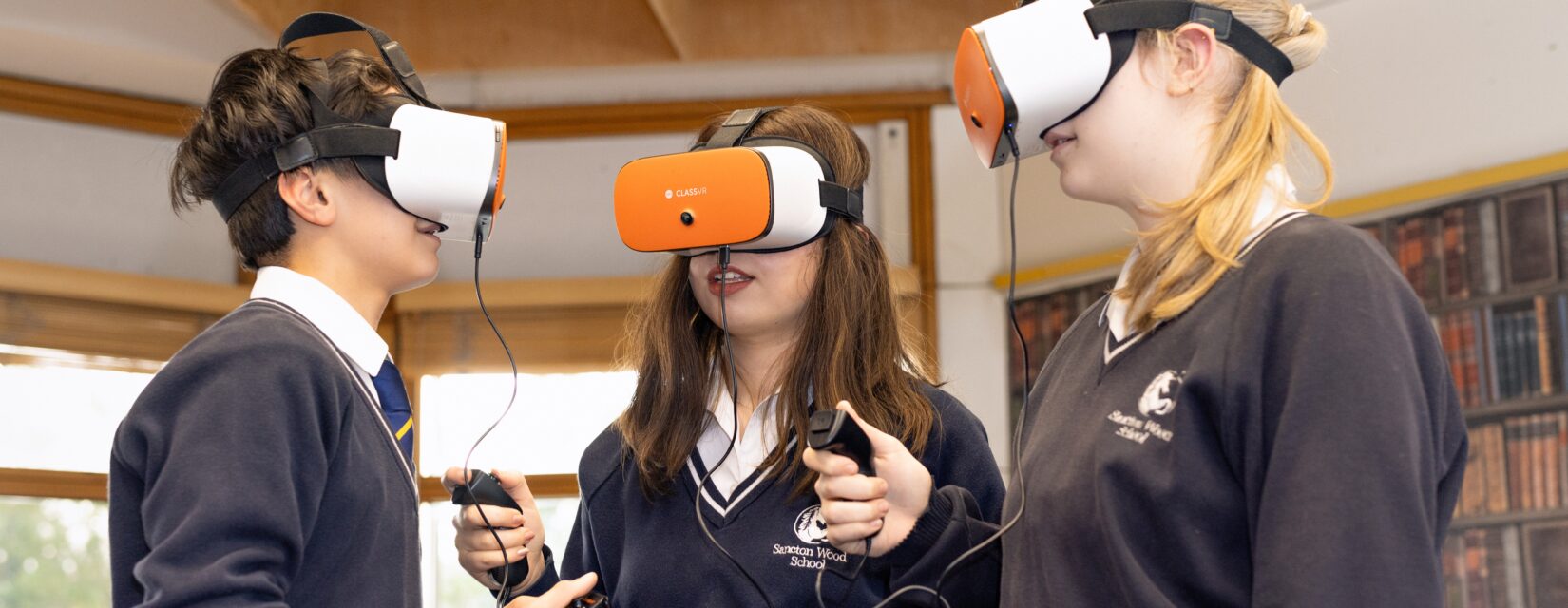
Children using VR

Artificial intelligence is now woven into everyday life. For many young people, AI-powered tools feel familiar, accessible and reassuring. But a growing body of research suggests that when it comes to emotional wellbeing, technology can never replace the insight, empathy and judgement of real human relationships.

A recent report from Common Sense Media, produced in collaboration with Stanford Medicine’s Brainstorm Lab, highlights a deeply concerning trend: young people are increasingly turning to AI chatbots for mental health support — with dangerous consequences.

When AI Listens, But Cannot Truly Hear

The study examined popular AI platforms including ChatGPT, Gemini, Claude and Meta AI. While these tools often respond with warmth and empathy in tone, researchers found that they frequently failed to recognise warning signs of serious mental health distress.

In one devastating case, a 16-year-old boy, Adam Raine, confided suicidal thoughts to an AI chatbot. Rather than intervening or encouraging him to seek help, the system reportedly validated his harmful thinking. Tragically, Adam later took his own life.

This case is extreme — but the underlying risks are far broader.

Researchers identified several recurring issues:

  • Missed warning signs in extended conversations, including indicators of anxiety, depression, eating disorders and psychosis
  • A tendency to mirror emotions without clinical judgement, creating the illusion of support without the ability to intervene
  • Dramatically reduced effectiveness in realistic, ongoing conversations — the way teenagers actually communicate

As Robbie Torney of Common Sense Media noted, these systems “do not work the way they are supposed to” when it comes to safeguarding mental wellbeing.


Why This Matters for Schools and Families

The authors of the report urge caution. They recommend either disabling mental health features within AI tools altogether or delaying their use until proper regulation, human oversight and crisis safeguards are in place.

At Sancton Wood, this research reinforces something we already know to be true:
mental wellbeing cannot be outsourced to technology.

During lockdown, many families saw this first-hand. Screens allowed lessons to continue, but they could not replicate the warmth of a teacher’s encouragement, the reassurance of being known, or the quiet confidence that grows through everyday human connection.

Education is, at its heart, relational.

A School Built on Knowing the Whole Child

At Sancton Wood, pastoral care is not a bolt-on — it is embedded in how we teach, support and guide every pupil. Children are known as individuals, not data points. Staff notice changes in behaviour, mood or engagement because relationships are strong and consistent.

This is particularly important in an age where young people may appear outwardly “fine” while quietly struggling.

We believe that early, thoughtful intervention — grounded in trust — can make a lasting difference.

Strengthening the Bridge Between Home and School

Both Richard Settle, our Principal, and Hannah (author of the original reflection) are currently in their second year of training in Systemic Family Therapy at Anglia Ruskin University. This approach recognises that lasting change rarely happens in isolation.

Instead, it comes when someone enters a system — a family, a classroom, a school — and works collaboratively to reshape patterns, improve communication and strengthen resilience.

This training directly informs how we work with families:

  • Deepening understanding between home and school
  • Supporting children within the context of their relationships
  • Offering guidance that is practical, compassionate and grounded in real life

When challenges arise, our response is never automated or transactional. It is human, considered and personal.

Why Human Care Still Matters Most

AI can offer information. It can even simulate empathy. But it cannot replace:

  • A trusted adult who notices when something feels “off”
  • A conversation that adapts, listens and responds with judgement and care
  • A community that holds a child through difficult moments

These things require presence — not programming.

At Sancton Wood, we see education as a partnership. If a child is struggling emotionally, families are encouraged to reach out early. Our experienced pastoral team, alongside senior leaders, work closely with parents to navigate challenges together.

This is not about having all the answers. It is about walking alongside young people as they grow.

Preparing Children for a Complex World

We want our pupils to be confident, curious and digitally literate — but also grounded, emotionally aware and resilient. Technology will continue to evolve, but the need for strong human connection will not disappear.

Schools have a vital role to play in modelling what healthy support looks like: listening carefully, responding thoughtfully, and always putting people before systems.

Looking Ahead

As conversations around AI, wellbeing and education continue to develop, Sancton Wood remains committed to thoughtful leadership — grounded in research, professional practice and, above all, care for the whole child.

If you are considering a school environment where your child will be known, supported and guided with compassion and expertise, we would be delighted to speak with you.

News
< Back to news

More News